The K monogram and flower motif form the project's visual identity. The blue-violet direction carries through to the app's interface accents.
Why it exists
The original brief was deliberately narrow: two clear actions, an explicit acknowledgement and repeat delivery when conventional messaging was unreliable. That problem changed the product architecture. A notification alone cannot stand in for receipt, and a connected device alone cannot stand in for an available person.
The system therefore treats delivery, attention and acknowledgement as distinct states. It supports multiple devices for one account, with server-side state and synchronization so a response on one device can update the others. Local persistence and retry help the product recover from interrupted connectivity rather than silently dropping an important event.
How an important signal moves
Product architecture
- Signals and acknowledgement.The critical path is explicit: send, deliver, alert, acknowledge and synchronize. The interface makes the state legible instead of implying success from a sent notification.
- Multi-device continuity.Android and Windows clients share an account and state model through the server. Device changes and recovery are treated as normal lifecycle events.
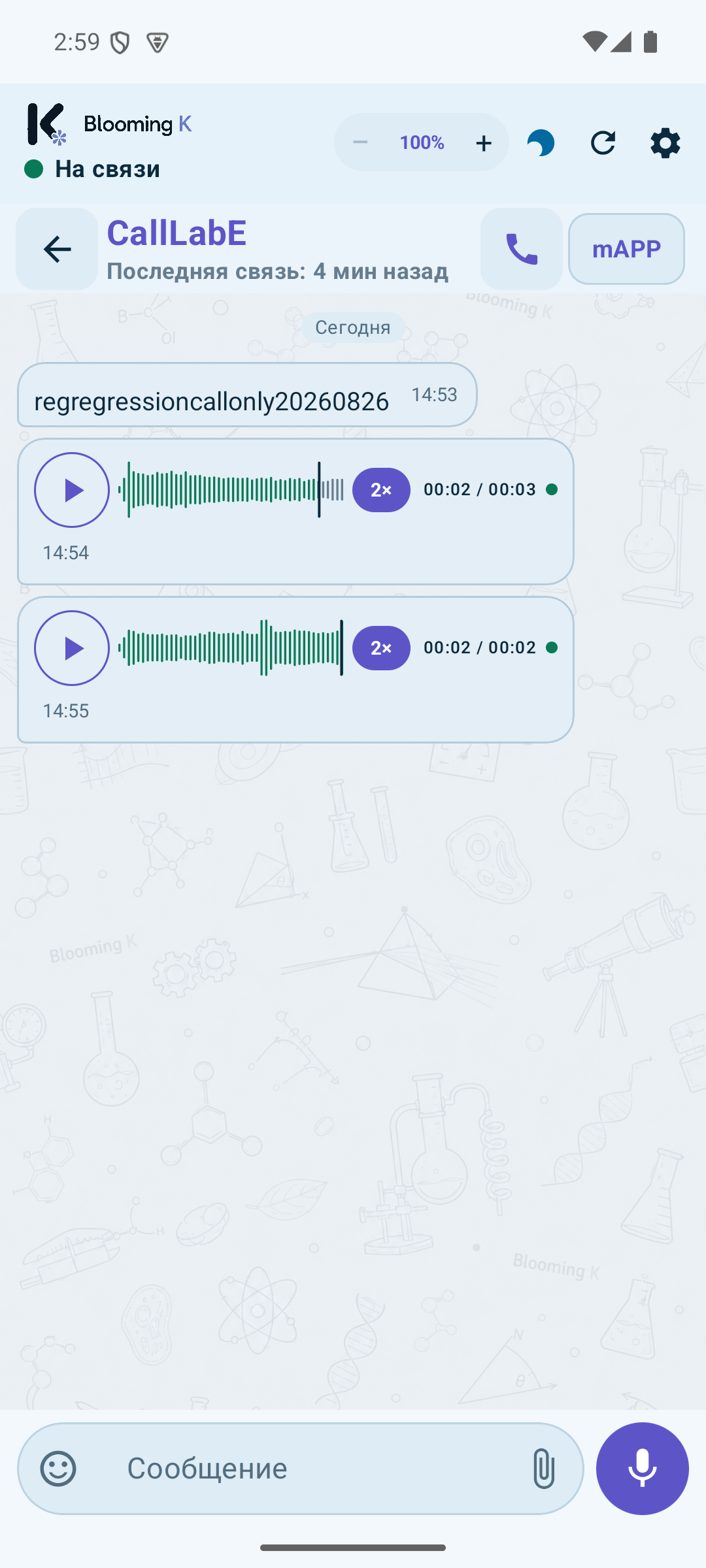
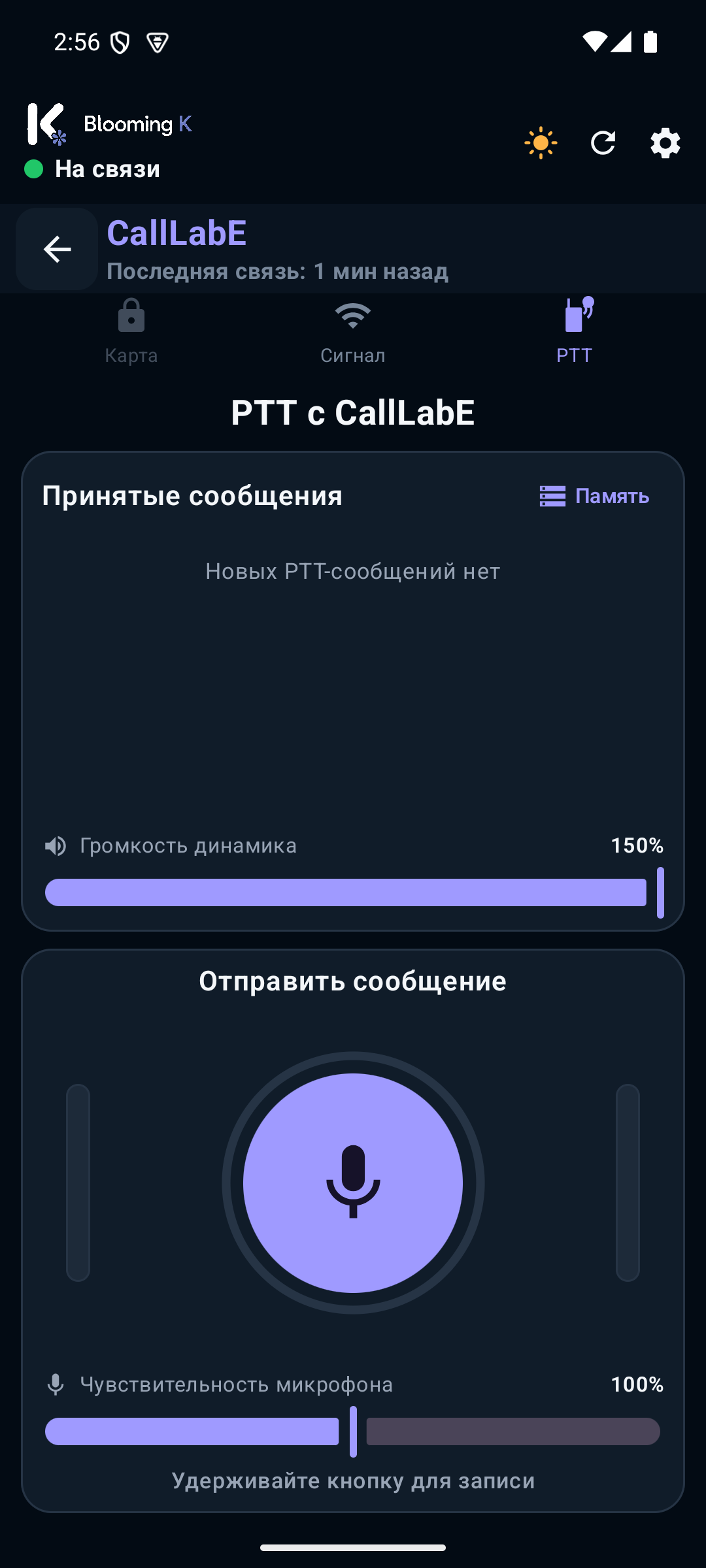
- Communication modes.Messaging, media, voice, calls and push-to-talk extend the same communication system rather than becoming unrelated add-ons.
- Presence and location.Availability and location have practical value in a trusted circle, but belong behind privacy-aware product decisions and careful disclosure.
- Adverse conditions.Interrupted networks, Android OEM notification behavior, duplicate events and out-of-order updates are part of the product problem, not only engineering edge cases.
My role
I initiated the product and shaped the requirements, interaction principles and architecture decisions. The work involves coordinating Android, desktop and server implementation, reviewing behavior across devices and insisting on installed-build and end-to-end verification rather than accepting a successful compile as proof of reliability. This is a collaborative software effort, not a claim that I personally wrote every component.
What is working, and what remains open
The ecosystem has functioning client and server components and an established release and QA process. Individual features continue to pass through device, network and release gates; the existence of a feature in source code is not a claim that every variant is production-verified. Current work remains focused on cross-client consistency, resilience and real-world usability.